What Can Judo Teach Children Beyond Self-Defence?
posted on Nov 11, 2026
Discover how judo helps children build discipline, confidence, respect, resilience, and self-control while developing valuable life skills beyond self-defence.
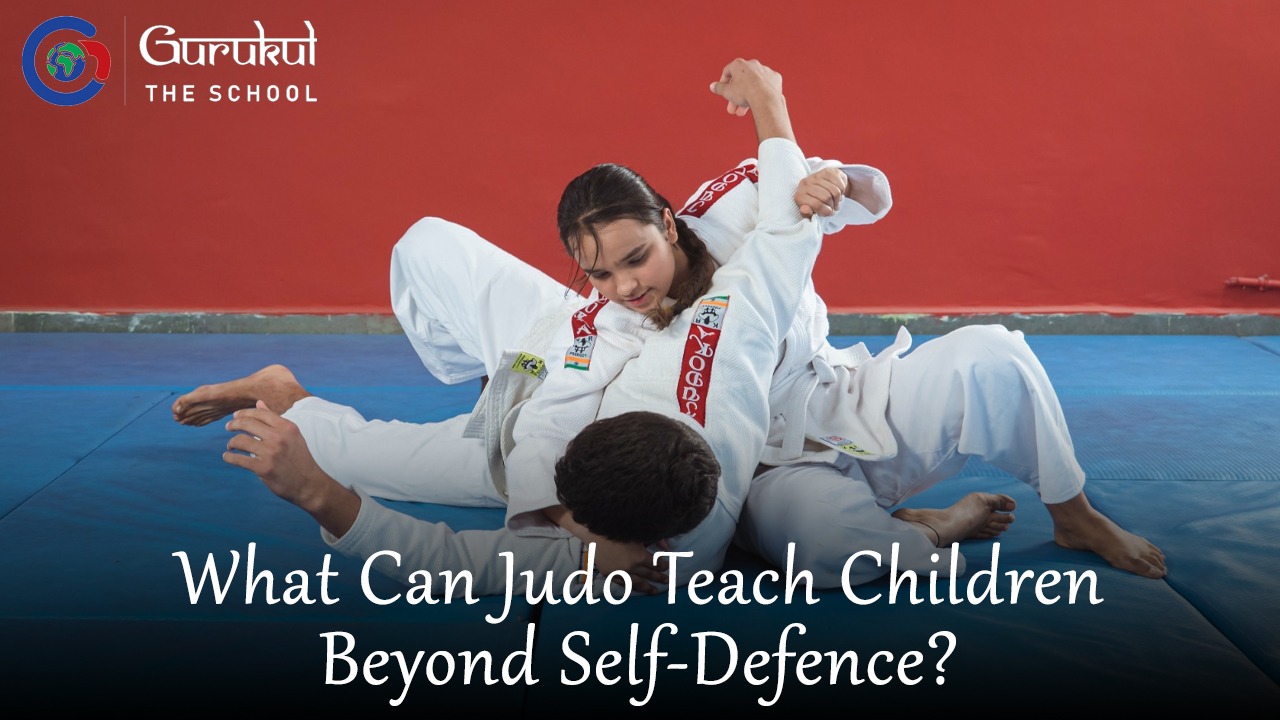
Imagine a room full of children in white uniforms. Before anyone moves a muscle, they bow to their partners and to the mat. A moment later, the same children are gripping, pulling, and throwing each other with surprising force. When the bout ends, they bow again, help each other up, and walk off smiling.
To an outsider, judo may look like a rough sport. To those who practise it, it is a lesson in respect, control, and self-belief. In fact, the word “judo” itself means “the gentle way”.
We at Gurukul The School, a leading CBSE school in Ghaziabad, have watched many quiet, hesitant children grow in confidence on the mat. In this blog post, we have shared what judo teaches children that goes well beyond learning to defend themselves. Let’s take a look.
What Is Judo?
Judo is a martial art and combat sport that was founded in Japan in 1882 by Jigoro Kano. Instead of punches or kicks, it focuses on throws, holds, and the skilful use of an opponent’s balance and strength. Judo has been part of the Olympic Games since 1964, and it is practised by millions of people around the world.
One of the first things every judo student learns is not how to throw, but how to fall safely. These breakfall techniques, known as ukemi, protect the body and teach children that falling down is simply part of the process.
Lessons Children Learn on the Judo Mat:
Respect for Others
Judo begins and ends with a bow. Children learn to respect their partners, coaches and opponents, whether they win or lose. This simple ritual reminds them that a partner is not an enemy, but someone who helps them improve.
Over time, this respect shows up in everyday life, in the way children speak to classmates, listen to teachers and handle disagreements.
Strength With Self-Control
Judo teaches children that strength is not about overpowering others. A good judoka uses only as much force as needed and stops the moment a partner signals that they have had enough. Learning to hold back is as important as learning to act.
For energetic children, this is an especially valuable lesson. It gives them a safe outlet for their energy while teaching them to stay in control of it.
Getting Up After Every Fall
In judo, every child is thrown many times before they learn to throw others. Each fall teaches them to get up, reset and try again. Few activities make the idea of resilience so physical and so real.
Self-Confidence and Body Awareness
As children learn new techniques and move up through the belt system, they gain a clear sense of progress. Many shy children find that knowing how to hold their ground on the mat helps them stand a little taller off it, too.
Awareness and Personal Safety
Judo naturally builds an understanding of balance, distance and body movement. Along with this, good coaches teach children that the best form of self-defence is awareness and avoiding trouble, not seeking it.
Focus and Quick Thinking
A judo bout can change in a second. Children must watch their opponent closely, read their movements and react quickly. This sharp, in-the-moment focus is a skill that helps in classrooms and examination halls as well.
Is Judo Safe for Children?
Many parents worry about injuries, and it is a reasonable concern. But when children train on proper mats, under qualified coaches and with a strong focus on safe falling techniques, judo is a safe and structured sport. Beginners spend their early sessions learning to fall and move correctly before they ever attempt a throw.
As with any sport, the quality of coaching makes the biggest difference. Look for a programme that puts safety and discipline first and progresses at the child’s pace.
How We Approach Martial Arts at Gurukul The School
At Gurukul The School, sports are an important part of our students’ growth, and martial arts are no exception. Our judo coach, Mr. Yashpal Solanki, is an Arjuna Awardee and a former Commonwealth Champion who has coached the Indian Judo Team. Students learning from him gain not just technique, but also an insight into the discipline and dedication that sport at the highest level demands.
Alongside judo, our students also take part in Kurash, a traditional form of wrestling, as well as hockey, football and other sports. You can learn more about the people who guide our students on our Leadership Board page.
Frequently Asked Questions (FAQs)
- At what age can children start learning judo?
Many children begin with simple, play-based judo activities in the early primary years, moving on to structured training as they grow.
- Will judo make my child aggressive?
No. Judo places great emphasis on respect and self-control. Most children become calmer and more disciplined with regular training.
- Can girls learn judo too?
Absolutely. Judo is open to everyone, and it builds strength, confidence and safety awareness in girls and boys alike.
Conclusion
Judo may look like a sport about throws and holds, but its real lessons go much deeper. It teaches children to respect others, control their strength, get up after a fall and face challenges with a calm mind.
At Gurukul The School, a leading CBSE school in Ghaziabad, we believe that the values children learn through sport carry into every part of their lives. Through expert coaching and a strong sporting culture, we help our students discover what they are capable of, both as athletes and as people.